Palm Sunday marks a dramatic shift in the ministry of Jesus.
For years, He operated in a way to avoid public recognition often instructing those He healed to stay quiet and slipping away when crowds or authorities got riled up. He consistently avoided the public spotlight to ensure His mission wasn't derailed by political uprisings. However, as He rode into Jerusalem on the back of a donkey, the veil of secrecy was finally lifted.
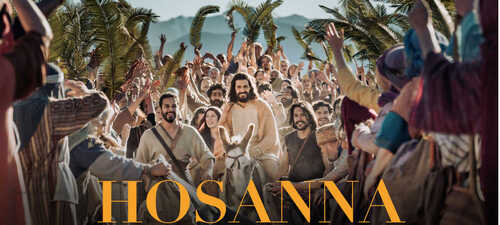
This was Jesus' definitive public acknowledgement of His identity. By choosing a donkey, He was not just picking a mode of transport; he was living out prophecy. Jesus was deliberately fulfilling the prophecy of Zechariah 9:9: "See, your king comes to you, righteous and victorious, lowly and riding on a donkey. On a colt, the foal of a donkey." In this moment, He wasn't just a teacher or a miracle worker; He was the long-awaited King of Israel. The crowds understood the gravity of the gesture, spreading cloaks and palm branches on the ground before Him—symbols of royalty and victory—while shouting "Hosanna," a plea for salvation. Jesus finally allowed a public acknowledgement of who He was, and what He had come to do.
For years, He operated in a way to avoid public recognition often instructing those He healed to stay quiet and slipping away when crowds or authorities got riled up. He consistently avoided the public spotlight to ensure His mission wasn't derailed by political uprisings. However, as He rode into Jerusalem on the back of a donkey, the veil of secrecy was finally lifted.
This was Jesus' definitive public acknowledgement of His identity. By choosing a donkey, He was not just picking a mode of transport; he was living out prophecy. Jesus was deliberately fulfilling the prophecy of Zechariah 9:9: "See, your king comes to you, righteous and victorious, lowly and riding on a donkey. On a colt, the foal of a donkey." In this moment, He wasn't just a teacher or a miracle worker; He was the long-awaited King of Israel. The crowds understood the gravity of the gesture, spreading cloaks and palm branches on the ground before Him—symbols of royalty and victory—while shouting "Hosanna," a plea for salvation. Jesus finally allowed a public acknowledgement of who He was, and what He had come to do.
Beyond the political and royal implications, there is a profound prophetic layer regarding the timing of this entry. When Jesus entered Jerusalem on Palm Sunday, it was the 10th of the month of Nisan. According to Jewish law and tradition, this day was the day families selected the Passover lamb. This lamb would be kept in the home, inspected to ensure it was without blemish.
As the Jewish people were busy selecting physical lambs for their earthly tradition, God was presenting the ultimate Lamb to the nation. Over the following days, Jesus would be "inspected" through rigorous questioning by the Pharisees, Sadducees, and Roman authorities, none of whom could find a "blemish" or a legitimate charge against him. As we see in the trial of Jesus, Pilate says “I find no basis for a charge against Him.” Later, when the crowd refuses to let up their demands that Jesus be crucified, Pilate washes his hands of the whole situation.
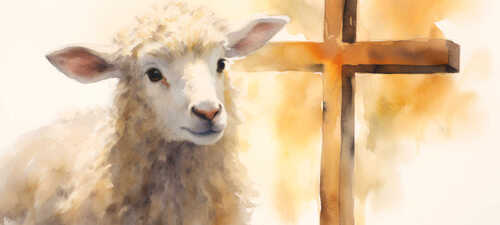
Palm Sunday represents the intersection of royal declaration and sacrificial preparation. Jesus transitioned from the hidden Messiah to the public King, fully aware that his coronation would not be on a gold throne, but on a wooden cross. He offered himself to the people as both their King and their sacrifice, stepping into what the law and the prophets had pointed to for so long, in one humble procession.
As the Jewish people were busy selecting physical lambs for their earthly tradition, God was presenting the ultimate Lamb to the nation. Over the following days, Jesus would be "inspected" through rigorous questioning by the Pharisees, Sadducees, and Roman authorities, none of whom could find a "blemish" or a legitimate charge against him. As we see in the trial of Jesus, Pilate says “I find no basis for a charge against Him.” Later, when the crowd refuses to let up their demands that Jesus be crucified, Pilate washes his hands of the whole situation.
Palm Sunday represents the intersection of royal declaration and sacrificial preparation. Jesus transitioned from the hidden Messiah to the public King, fully aware that his coronation would not be on a gold throne, but on a wooden cross. He offered himself to the people as both their King and their sacrifice, stepping into what the law and the prophets had pointed to for so long, in one humble procession.
So much was revealed that day, and yet, there was still so much to be revealed even to the apostles, those closest to Jesus. It wasn’t until after Jesus’ resurrection that He walked with them and finally opened their eyes to all that the Scriptures said about Him and all that He fulfilled.
We ourselves go through a similar process, where the existence of Jesus is undeniable as a historical fact. But knowing about Jesus is not the same as recognizing Him as LORD. The Pharisees knew about Jesus and what He had done. But it was the crowds that cried “Hosanna!” to the king they wanted to save them. Likewise, knowing who Jesus is does not bring salvation to you. We see multiple accounts of demons recognizing who Jesus is but they are still against Him. (Jesus also silences them in those moments to avoid them telling people of who He is.)
To put your faith in Jesus means to be devoted to Him, to walk daily with Him and follow His ways. We are blessed beyond measure to have such a beautiful truth made plain to us through His revealed Word. A blessing those on the road outside Jerusalem saw only a glimpse of. A blessing we now see in full and should not take for granted.
We ourselves go through a similar process, where the existence of Jesus is undeniable as a historical fact. But knowing about Jesus is not the same as recognizing Him as LORD. The Pharisees knew about Jesus and what He had done. But it was the crowds that cried “Hosanna!” to the king they wanted to save them. Likewise, knowing who Jesus is does not bring salvation to you. We see multiple accounts of demons recognizing who Jesus is but they are still against Him. (Jesus also silences them in those moments to avoid them telling people of who He is.)
To put your faith in Jesus means to be devoted to Him, to walk daily with Him and follow His ways. We are blessed beyond measure to have such a beautiful truth made plain to us through His revealed Word. A blessing those on the road outside Jerusalem saw only a glimpse of. A blessing we now see in full and should not take for granted.
Recent
Archive
2026
2025
Categories
no categories
1 Comment
great article on Palm Sunday